
The short version: the benefits people most often report from regular Qigong are more steady energy, a calmer and less reactive mind, better sleep, easier movement, and steadier focus. None of that requires flexibility, fitness, or belief to begin, and because the practice is gentle, it suits a wide range of ages and bodies.
I want to keep this page grounded, so here is the frame before we start. Qigong is a wellness and energy practice, not a medicine that treats or cures illness. What follows is what many people find, not a guarantee of what you will feel. Bodies differ, and the honest truth is that most of these changes come from consistency, not from any single session. If you want the science rather than the reported experience, we keep that separate on purpose, and you can read what the research says about Qigong.
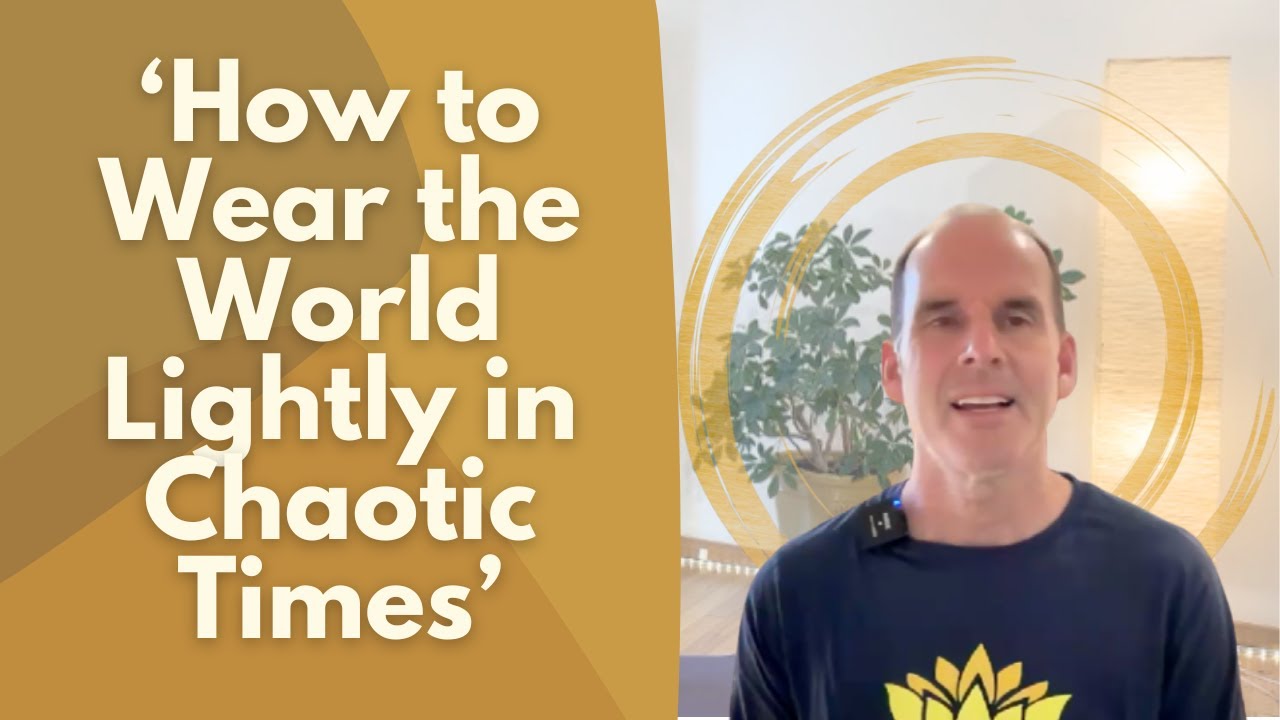
Watch: Great Energy Qigong: 15-Minute Routine to Energize Your Day, from our Great Energy YouTube channel.
The benefits people commonly report
1. More steady energy
This is the one that gives the practice its name in our house, the reason our beginner course is called Jump Start Your Energy. Many people find that a short daily practice leaves them feeling less flat in the afternoon and more evenly awake through the day. It is not the jittery lift of caffeine. It is closer to the way a short walk or a few slow breaths can clear a fog you did not realize you were in. Where movement gathers and circulation improves, a lot of people report feeling more alive in their own body.
2. A calmer, less reactive mind
Qigong pairs slow movement with slow breathing, and that combination tends to settle the nervous system. Many people find they feel less wound up, less quick to snap, more able to meet a stressful moment without being swept off by it. The calm is not forced or blissed-out. It is the ordinary steadiness that comes when the body stops bracing.
'When we release tension from the body and soothe the nervous system, the mind naturally calms down.' Christopher Grant
3. Better sleep
A gentle evening practice can help you wind down and let go of the day, and better sleep is one of the changes people mention most once a habit settles. It makes sense: if the body is carrying less tension and the mind is less busy, sleep tends to come more easily. This is a common report rather than a promise, and it may support a better night for you too. The research on Qigong and sleep is among the more encouraging areas, which is another reason to read the evidence page for the fuller picture.
4. Easier, more comfortable movement
Qigong keeps the joints moving through gentle range, and many people find their body feels looser and less stiff over time. There is an old saying in the tradition that a moving hinge does not rust. Because the movements are slow and low impact, they suit stiff bodies, older bodies, and people easing back from injury, which is a large part of why the practice has lasted so long. It is not a workout that leaves you sore. It is maintenance for a body that is designed to move.
5. Steadier focus and presence
Following the breath and the shape of a movement is a form of attention training, and people often notice they can focus a little better and feel a little more present after practice. It is quieter than it sounds. You are simply spending a few minutes doing one thing with your whole attention, and the mind gets better at that the more you practice it.
Why measured language matters here
You will see a lot of pages online promising that Qigong will cure this or reverse that. I will not do that, because it is not true and it is not fair to you. Qigong is not a treatment or a cure for any disease. What it can do is support how you feel, how you move, and how you handle stress, and it does that best alongside good medical care rather than instead of it. The reason I use words like many people find and may support is not caution for its own sake. It is accuracy. The evidence is genuinely encouraging in several areas and still developing in others, and the fairest thing I can hand you is the real state of it, which lives on our research page.
How soon you might notice
Two timelines are worth separating. Immediately, many people feel calmer and looser within a single session, sometimes within the first few minutes. That is real and it is often what keeps beginners coming back. Cumulatively, the steadier shifts in energy, sleep, and stress tend to arrive over a few weeks, often around the four to eight week mark for someone practicing most days. It builds quietly, which is why how often you practice matters more than how long any single session runs.
Where to begin
If this sounds like what you are after, you do not need to understand the theory to start feeling it. Begin with the beginner's guide to getting started, try a handful of simple exercises for beginners, or read the plain-English answer to what Qigong is if you are still getting your bearings. If you would rather learn with a teacher, see the schools and teachers Christopher trained with. The benefits on this page are not exotic. They are what tends to happen when you give your body a few gentle, attentive minutes most days.
What Qigong tends to help with
| Area | What students often notice | What research suggests |
|---|---|---|
| Stress | Calmer, less wound-up after practice | Consistent reductions in perceived stress and anxiety |
| Sleep | Falling asleep more easily | Improved sleep quality in several trials |
| Balance | Steadier on the feet | Better balance and fewer falls in older adults |
| Mood | Lighter, more even | Reduced symptoms of depression as an add-on to usual care |
| Blood pressure | Feeling more settled | Modest reductions in some studies |
| Energy | Less depleted, more even | Less fatigue reported in people with chronic conditions |
Watch: videos on this topic
This is educational content, not medical advice, and nothing here is offered as a treatment or cure for any health condition. The benefits described are commonly reported experiences, not guaranteed outcomes. If you have a health condition, are pregnant, or have any concern about exercise, check with your own practitioner before beginning a new practice.