Tiredness is one of the most common reasons people come to Qigong. Not the good tired that follows a full day, but the low, flat kind that no amount of coffee quite fixes. The instinct, when you feel that way, is usually to push through it or to skip movement altogether. Qigong offers a third option, and it is the one that actually rebuilds you.
Qigong means the cultivation of energy. The whole practice is built on a simple idea: you are moving energy all day long whether you notice it or not, and you can learn to move it on purpose. When you are depleted, the goal is not to spend more. It is to clear what is stuck and let what you already have circulate again.
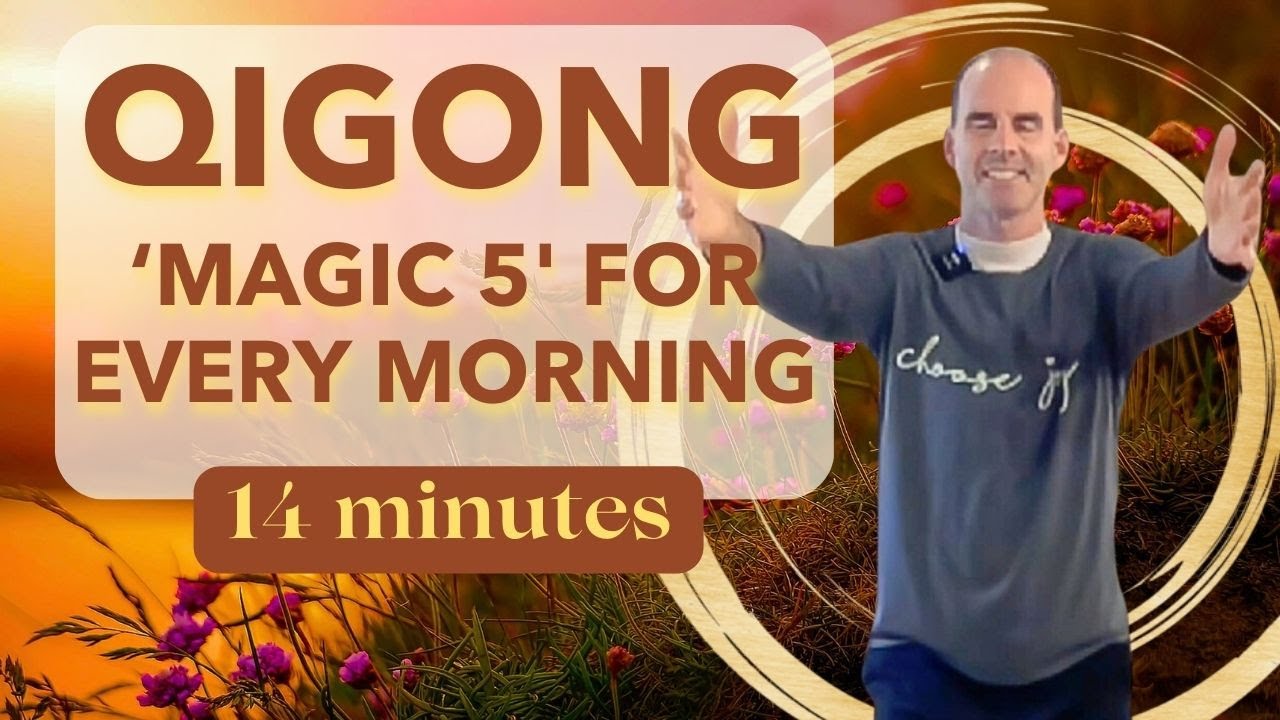
Watch: Great Energy Qigong: 15-Minute Routine to Energize Your Day, from our Great Energy YouTube channel.
Why forcing it backfires when you are depleted
When you are already low, a hard workout spends energy you do not have. You can grit your way through it, and some days that even feels good in the moment, and then you crash harder an hour later. That is the trap with fatigue. The usual advice to just power through treats energy like a switch you flip, when it behaves more like a reserve you either draw down or slowly refill.
Gentle Qigong asks for almost nothing. Slow movement, soft breath, a little attention. Because it does not trigger the stress response the way strenuous exercise can, it lets the nervous system settle instead of ramping up. Tension releases, breathing deepens, circulation opens, and the tiredness that was partly held tension starts to lift. You are not borrowing against tomorrow. You are refilling today. If you have ever noticed that a short walk in fresh air leaves you clearer than a coffee did, you already know the mechanism.
If you're tired in the afternoon and you're making a choice between a cup of coffee and a nap, you're making an energetic choice. Christopher Grant
- A hard workout
- Spends energy you do not have
- Can feel good in the moment
- A harder crash an hour later
- Slow movement, soft breath, a little attention
- The nervous system settles instead of ramping up
- Tension releases, breathing deepens, circulation opens
- The tiredness that was partly held tension starts to lift
Energy behaves less like a switch you flip and more like a reserve you draw down or slowly refill.
A gentle energy-building routine
Here is a short sequence you can do standing or, on the lowest days, seated. It should take about ten minutes. Nothing here should strain. If a movement does not feel right for your body, make it smaller or skip it. Soft and slow is the whole point.
1. Settle and breathe, two minutes
Stand with your feet about shoulder width, knees soft, or sit tall if standing is too much today. Let your hands rest low on your belly. Breathe slowly into the belly so it expands on the inhale and softens on the exhale. Do not force it. Just let the breath get a little slower and a little deeper than usual. This alone starts to shift you.
2. Gentle sway and shake, two minutes
Let your knees bounce softly and let your arms hang and swing, the way a child fidgets. Shake out the hands and wrists. This is not exercise so much as loosening. It breaks up the held stillness that comes with a low, flat day and gets circulation moving with zero effort.
3. Lifting the sky, three minutes
On a slow inhale, float both arms out and up overhead as if lifting something light toward the sky. On the exhale, let them lower gently back down the front of the body. Slow the movement to match the breath, and let the breath lead. A handful of these, unhurried, opens the chest and the breath together.
4. Gathering, two minutes
Bring your hands slowly back to rest low on the belly. Stand or sit quietly and just notice. Many people feel a warmth, a slight buzz, or simply a bit more present than when they started. There is nothing to make happen here. You are letting the practice land.
Consistency does the real work
One gentle session can leave you clearer for the afternoon. The deeper change, more steady energy across your days, comes from doing a little most days rather than a lot once in a while. This is where Qigong quietly wins over harder approaches. When the practice is gentle enough, you can actually keep it up, and it is the keeping-up that rebuilds your baseline. Ten honest minutes you repeat beats an hour you dread and abandon.
If you want to fold this into the start of your day, our Qigong exercises for beginners gives you a fuller set of gentle movements to draw from. And if the tiredness runs deep enough that even light practice feels like too much, our guide to Qigong versus meditation covers the stiller, seated end of the practice, where you can begin lying down.
What the evidence says
Fatigue is one of the more studied areas for Qigong. Research groups have looked at gentle Qigong for tiredness in several populations and reported reductions in fatigue and improvements in how people rate their own energy. The honest picture, including the limits of that research and who it has been studied in, lives on our research page, where we lay out what the studies do and do not show rather than overstating it. Qigong is a supportive practice for energy and general wellbeing. It is not a treatment for any medical cause of fatigue, and lasting or unexplained tiredness is worth checking with your own practitioner.
Watch: videos on this topic
Common questions
Can Qigong give you more energy?
Many people report feeling more awake and clear after a short gentle practice, and studies on Qigong for fatigue have found reduced tiredness in several groups. It works by loosening tension, steadying the breath, and calming the nervous system so your own energy can move, rather than by adding stimulation from outside.
Why does gentle Qigong work better than a hard workout when I am tired?
When you are depleted, a hard workout spends energy you do not have and can leave you more drained. Gentle Qigong asks for very little, calms the stress response, and helps circulation and breath open up, which is how it rebuilds rather than borrows against your reserves.
This article is educational and general in nature, not medical advice. Qigong is a supportive wellbeing practice, not a treatment or cure for any condition. Ongoing, severe, or unexplained fatigue can have medical causes, so please check with your own practitioner before starting a new practice.