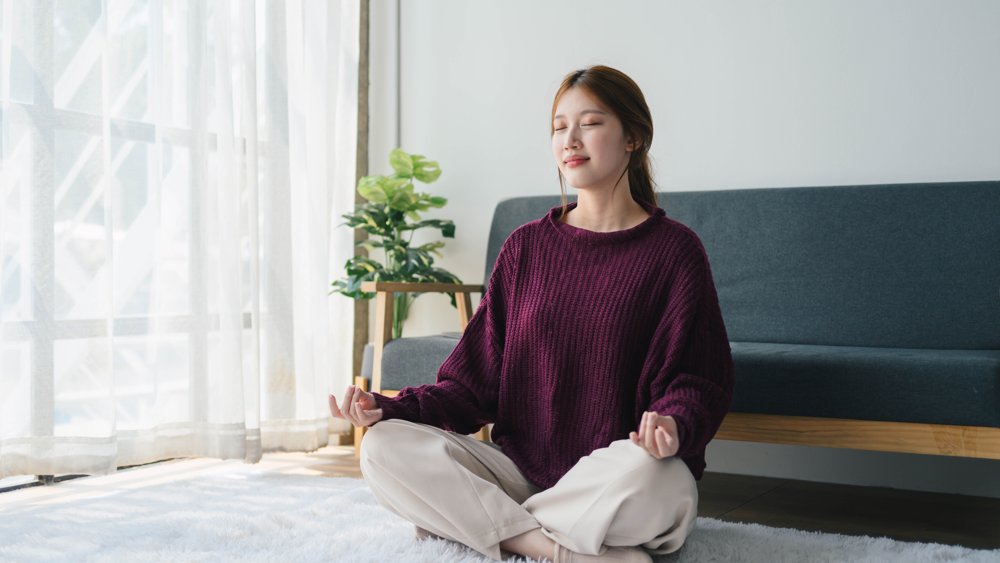
A lot of people arrive at Qigong having already tried meditation and quietly given up on it. They sat down, closed their eyes, and found the mind louder than ever. If that is you, the good news is that you were not doing it wrong, and there is another door to the same room.
Qigong and meditation are often set against each other as if you have to choose. You do not. They are two paths to a similar place, a settled body and a quieter mind, and they complement each other more than they compete. Understanding the difference helps you pick the right starting point, especially if you are restless.
Watch: Great Energy Healing Qigong, from our Great Energy YouTube channel.
What each one actually is
Meditation, in its most common form, is a stillness practice. You sit, you turn attention inward, often to the breath or a point of focus, and you train yourself to notice when the mind wanders and gently come back. The body is largely still. The work happens in attention.
Qigong is a moving practice. You coordinate gentle movement, slow breath, and attention together. The movement is not exercise in the usual sense, it is there to give your attention something to rest on. Because your hands and breath are occupied, the busy mind has less room to spin. In that sense Qigong is often called a moving meditation, and the description is fair. The calm you are after is the same. The route is through the body rather than around it.
Your mind can do no qigong here. You've got to move your body. Christopher Grant
- A moving practice
- Gentle movement, slow breath and attention together
- The route goes through the body
- A stillness practice
- The body is largely still; attention turns inward
- The work happens in attention
Using them together: a short Qigong routine settles the body and gathers attention, then a few minutes of stillness lets it deepen.
How they compare
| Qigong | Meditation | |
|---|---|---|
| Body | Gentle movement, standing or seated | Mostly still, usually seated |
| Anchor for attention | Movement and breath together | Breath, a word, or awareness itself |
| What it asks of you | Follow the shapes, let the mind follow | Stay with stillness, return when you drift |
| Common first hurdle | Learning the movements | Sitting with a busy mind |
| Shared aim | A calm body and a quieter mind | A calm body and a quieter mind |
Notice the last row. The destination is shared. What differs is the vehicle, and that difference is exactly why one may suit you far better than the other on any given day.
Which suits a restless beginner?
If your mind is busy and stillness makes it worse, start with Qigong. This is the honest recommendation for most restless beginners. When you sit down and try to be still, a restless mind often gets louder, because you have given it nothing else to do. Gentle movement changes that. The restlessness has somewhere to go, the hands are busy, the breath is engaged, and focus arrives almost as a side effect rather than something you have to force.
Many people find that Qigong becomes their way into meditation rather than an alternative to it. After ten minutes of moving practice, the body is calmer and the mind has already narrowed its focus, so sitting quietly afterward feels natural instead of like a fight. You do not have to choose one forever. You can let movement soften you first, then sit.
None of this means meditation is lesser. For some people, seated stillness is exactly the training they need, and a quiet mind is easier to reach sitting than moving. The point is simply that stillness is not the only path to calm, and if it has never worked for you, that is information, not failure.
Using them together
The most sustainable practice, for a lot of people, holds both. A short Qigong routine to settle the body and gather attention, followed by a few minutes of stillness to let it deepen. Movement clears the noise, stillness lets what is underneath rise. If you want to build the moving half of that, our Qigong exercises for beginners gives you gentle movements to start with, and our guide to the types of Qigong shows where the quieter, more meditative styles sit within the wider practice.
Both practices have been studied for their effects on stress and wellbeing, and we keep an honest account of what that research does and does not show on our research page. Neither one is a medical treatment. Both are gentle, supportive practices that most people can begin at home, today, with nothing more than a few quiet minutes.
Watch: videos on this topic
Common questions
Is Qigong a form of meditation?
Qigong is often called a moving meditation. It uses gentle movement and breath to hold your attention, so the mind settles the same way it does in seated meditation, but without asking you to be perfectly still. The aim is a similar calm and presence, reached by a different path.
Which is better for a restless beginner, Qigong or meditation?
For a restless beginner, Qigong is often the easier door. Sitting still can make a busy mind feel worse, while gentle movement gives that restlessness somewhere to go, so focus comes more naturally. Many people use Qigong first and find seated meditation gets easier afterward.
This article is educational and general in nature, not medical advice. Qigong and meditation are supportive wellbeing practices, not treatments or cures for any condition. If you are managing a mental or physical health concern, check with your own practitioner before starting a new practice.