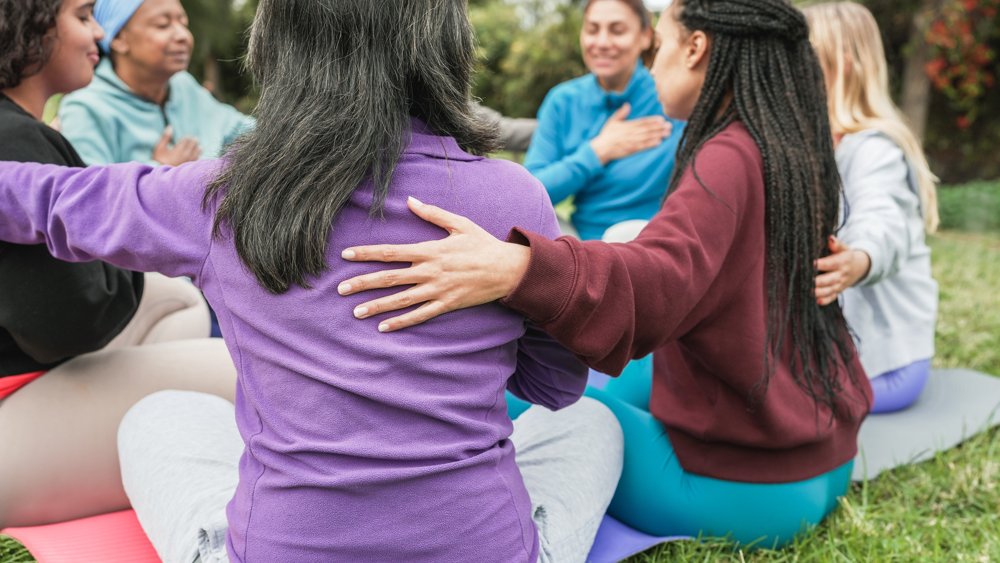
If you are wondering whether Qigong is safe, that is a good instinct, not a silly question. You are about to move your body in a new way, and it makes sense to look before you begin. So here is the plain truth. Qigong is one of the gentlest practices you can take up. It is slow, low impact, and easy to scale to whatever your body can do today. For most people it is safe, and the research supports that. It still deserves a little care, and this page walks through exactly where that care belongs.
The short answer: Qigong is safe for most people. Reviews of the studies have generally found no serious harms, including in older adults and people living with chronic conditions. The side effects that do show up are mild, the same sore muscles you would expect from any new movement. A few people should check with their doctor first, and we list them below. None of that is a reason to be afraid. It is a reason to start slowly and pay attention.
Watch: Qigong Introductory Practice for Beginners, from our Great Energy YouTube channel.
Why Qigong is so gentle
Most exercise asks you to push. Qigong asks you to soften. The movements are slow, the range is small, and you never have to strain to do them correctly. There is no jumping, no impact, no competition, and no need to force anything. You can practice standing, and if standing is hard, you can practice most of it from a chair. That built-in gentleness is why researchers keep testing Qigong in populations that need low-risk options, and why summaries of that work describe it as safe to try. You can read an honest overview of the evidence, including what reviewers found on side effects, on our research page.
The side effects most people actually notice
Real, and usually mild. When you begin, the most common thing is slightly sore muscles, because you are using them in a new, slow, sustained way. That fades within a few sessions as your body adjusts. A few other things come up now and then, and none of them are cause for alarm:
- Feeling lightheaded. Slower, deeper breathing can leave some people a little dizzy at first. If that happens, stop shaping the breath, let it return to normal, and rest for a moment.
- Feeling tired afterward. It surprises people, but it is common and usually a good sign. As the body lets go of held tension, you can feel pleasantly worn out. We wrote a whole piece on getting started gently for exactly this reason.
- Old aches speaking up. Moving an area that has been stiff for years can make it grumble briefly. Ease the range, and it usually settles.
The theme across all of these is the same. They are mild, they pass, and they respond to slowing down. That is the whole safety practice in one sentence.
What 'qigong sickness' really means
If you go looking, you will find a scary-sounding phrase, 'qigong sickness', sometimes called 'qigong deviation'. It is worth understanding rather than fearing, because the context matters enormously. The rare problems described under that label come almost entirely from extreme, unsupervised, high-intensity practice. Think forcing the breath for long stretches, straining to make energy sensations happen, or practicing for many hours in isolation with no teacher and no moderation. It is not a feature of the calm, guided, ten-minute Qigong that a beginner does at home.
The honest way to hold this is simple. Qigong done gently, at a comfortable pace, with a sensible teacher, is not associated with these extremes. The very things that cause trouble, force, strain, and grinding excess, are the opposite of how Qigong is meant to be practiced. When someone tells you to relax, go slow, and never push past comfort, they are not being soft. They are giving you the safety instruction.
Breathe into it until you feel it soften. If you feel tension building, change it so there is less strain or come out of it entirely. Christopher Grant
- Slow movements in a small range
- A comfortable pace, never pushing
- A sensible teacher
- The calm, 10-minute practice a beginner does at home
- Forcing the breath for long stretches
- Straining to make energy sensations happen
- Many hours alone, with no teacher and no moderation
Force, strain and grinding excess cause the trouble. They are the opposite of how Qigong is meant to be practiced.
Who should check with a doctor first
Most people can begin without a second thought. Some should have a short conversation with their own doctor or practitioner before starting, not because Qigong is dangerous, but because it can be adapted well once you know what to modify. Check in first if you are:
- Pregnant, or recently postpartum
- Recovering from surgery, a fracture, or a recent injury
- Managing a heart condition, or blood pressure that runs high or low
- Prone to dizziness, fainting, or balance problems
- Living with glaucoma or other conditions affected by pressure and breath-holding
- Frail, or managing osteoporosis
- Working through a serious mental health condition
In nearly all of these cases the answer is not 'do not practice'. It is 'practice this way instead', often seated, with a gentler range, skipping any single movement that does not suit you. A good teacher expects these questions and welcomes them.
How to practice safely
The safety rules for Qigong are refreshingly boring, which is a good thing. Start small. Keep the movements within a comfortable range and never chase a stretch. Let the breath stay easy rather than forced. If something hurts, that is information, not a challenge to beat, so back off or leave it out. Practice on a clear, non-slip surface, and keep a chair or wall nearby if your balance is uncertain. And remember that the practice belongs to you. There is never any pressure to match a teacher's depth or shape. You do the version your body can do today, and that version counts.
Watch: videos on this topic
Common questions
Is Qigong safe for beginners?
For most people, yes. It is slow, low impact, and easy to scale to your own body, so it is one of the gentler ways to start moving. Reviews of the research have generally found no serious harms, including in older adults and people with chronic conditions. Go slowly, stay comfortable, and stop anything that hurts.
What are the side effects of Qigong?
Usually mild and short-lived. Like any gentle movement, Qigong can leave you with slightly sore muscles at first. Some people feel a little lightheaded from slower breathing, or unexpectedly tired afterward as the body settles. These pass quickly. Ease off, breathe normally, and rest.
What is 'qigong sickness' or 'qigong deviation'?
It is a rare pattern reported almost entirely in extreme, unsupervised, high-intensity practice, not in the gentle, guided Qigong most beginners do. It has been linked to forcing the breath, straining to feel energy, or practicing for many hours alone without a teacher. Ordinary daily Qigong at a comfortable pace is not associated with it.
Who should talk to a doctor before starting Qigong?
Check with your own doctor first if you are pregnant, recovering from surgery or injury, managing a heart condition, blood pressure, dizziness, balance problems, glaucoma, or a serious mental health condition, or if you are frail or have osteoporosis. Qigong can usually be adapted, and a quick conversation helps you choose the right modifications.
Can you do Qigong with an injury or ongoing health condition?
Often, yes, with sensible modifications. It can be practiced seated, with a smaller range, or without the movements that aggravate a particular area. Work with the body you have today rather than against it, and ask the person who manages your care what to avoid.
This page is educational and is not medical advice. It is not a claim that Qigong treats, cures, or prevents any condition. Individual results vary. If you have a health condition, are pregnant, or take medication, talk with your own doctor or practitioner before beginning a new practice.
Keep reading: Is Qigong a religion? · Does Qigong actually work? · Qigong for beginners